Mishka Henner
Seeing is Believing
This exhibition brings together twenty-five new works by Mishka Henner that reflect on the status of the photographic image in the age of artificial intelligence.
Photography has long occupied an ambiguous position between evidence and construction. Since its invention in the nineteenth century, it has been understood both as proof of reality and as a staged representation shaped by the photographer. In The Pencil of Nature (1844), one of the earliest photographic publications, William Henry Fox Talbot already demonstrated that photographs could function simultaneously as documents and as carefully arranged scenes. Yet viewers have often preferred to trust the photograph as evidence rather than as interpretation.
The emergence of artificial intelligence as a tool for image generation reopens this historical tension. When images are produced not through the camera but through written prompts and computational processes, the relationship between photography, reality, and belief becomes newly uncertain. Henner’s work explores this shift, asking what role photography plays today in shaping perception and trust.
Photography now functions as one of the primary vehicles of communication in contemporary life—circulating constantly across media, both public and private. In this environment, images often appear more persuasive than words. Like the sacred images of the medieval period, photographic images can operate as carriers of meaning, revealing cultural narratives and structures of power. The exhibition’s title, Seeing is Believing, reflects this persistent relationship between vision and belief.
Henner approaches this shift through four interconnected sections: The Word, The Relic, The Icon, and The Light. Together they trace a movement from language to image, from belief to perception, and from representation to pure illumination.
Downloads
Exhibition Brochure [3.2MB] | Preview [1.9MB] | Exhibition Checklist
Seeing is Believing
This exhibition brings together twenty-five new works by Mishka Henner that reflect on the status of the photographic image in the age of artificial intelligence.
Photography has long occupied an ambiguous position between evidence and construction. Since its invention in the nineteenth century, it has been understood both as proof of reality and as a staged representation shaped by the photographer. In The Pencil of Nature (1844), one of the earliest photographic publications, William Henry Fox Talbot already demonstrated that photographs could function simultaneously as documents and as carefully arranged scenes. Yet viewers have often preferred to trust the photograph as evidence rather than as interpretation.
The emergence of artificial intelligence as a tool for image generation reopens this historical tension. When images are produced not through the camera but through written prompts and computational processes, the relationship between photography, reality, and belief becomes newly uncertain. Henner’s work explores this shift, asking what role photography plays today in shaping perception and trust.
Photography now functions as one of the primary vehicles of communication in contemporary life—circulating constantly across media, both public and private. In this environment, images often appear more persuasive than words. Like the sacred images of the medieval period, photographic images can operate as carriers of meaning, revealing cultural narratives and structures of power. The exhibition’s title, Seeing is Believing, reflects this persistent relationship between vision and belief.
Henner approaches this shift through four interconnected sections: The Word, The Relic, The Icon, and The Light. Together they trace a movement from language to image, from belief to perception, and from representation to pure illumination.
Downloads
Exhibition Brochure [3.2MB] | Preview [1.9MB] | Exhibition Checklist
The exhibition begins with The Word, an installation composed entirely of language. Thousands of definitions of the phrase “La fotografia è…” (“Photography is…”)—collected from Italian texts and online sources—form a polyphonic portrait of photography today. Rather than producing a single definition, the installation reveals photography as a fluid and evolving system shaped by technology, culture, and belief. The work is accompanied by a continuous reading of these definitions, transforming photography from a visual medium into a temporal and multisensory experience.
“Before encountering any image,” Henner notes, “we begin with language itself—its contradictions, its rituals, and the unstable ground upon which our trust in images is built.”
Listen to La Fotografia è una Lettura Duratura (3 minute sample)
“Before encountering any image,” Henner notes, “we begin with language itself—its contradictions, its rituals, and the unstable ground upon which our trust in images is built.”
Listen to La Fotografia è una Lettura Duratura (3 minute sample)


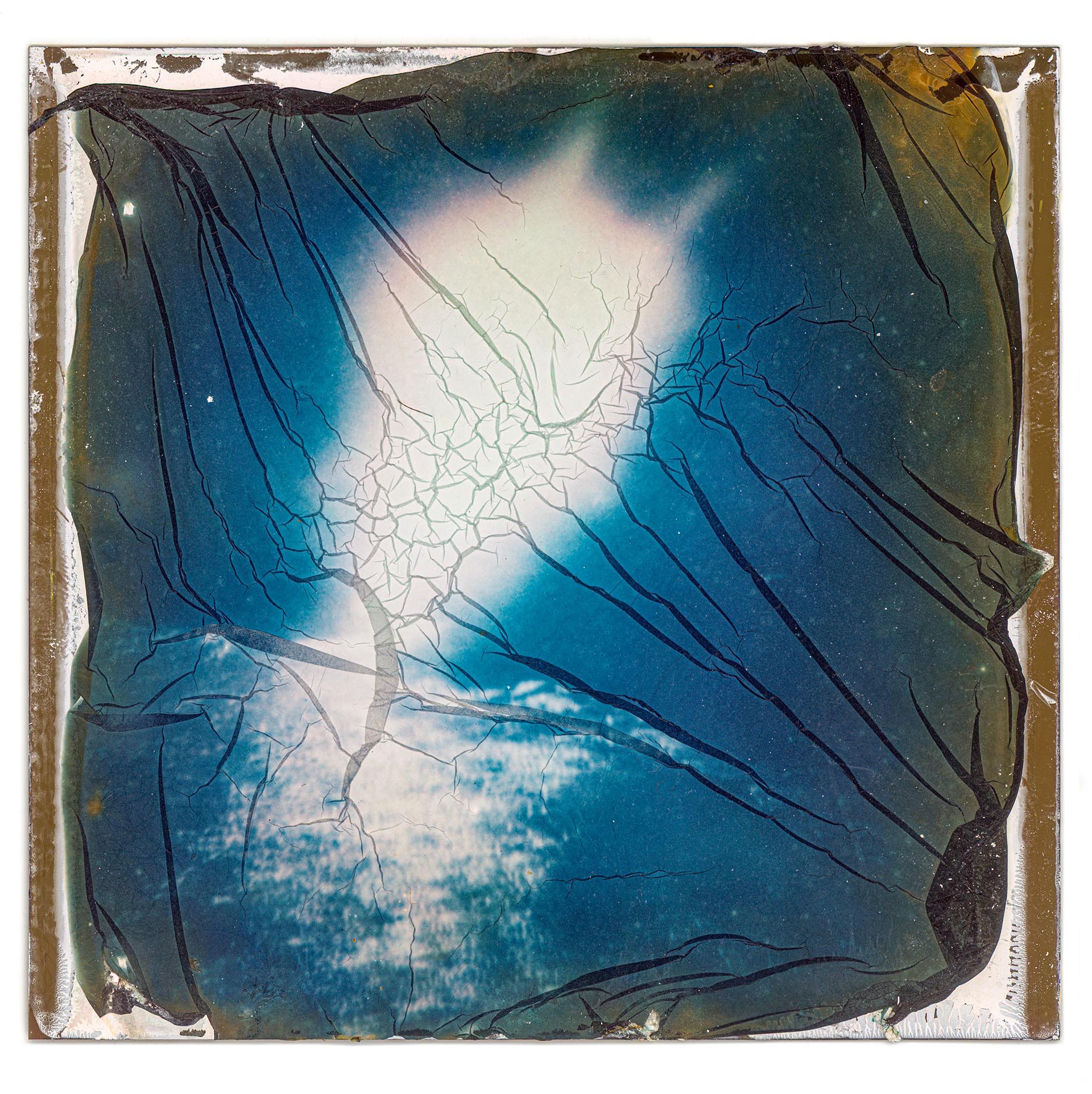
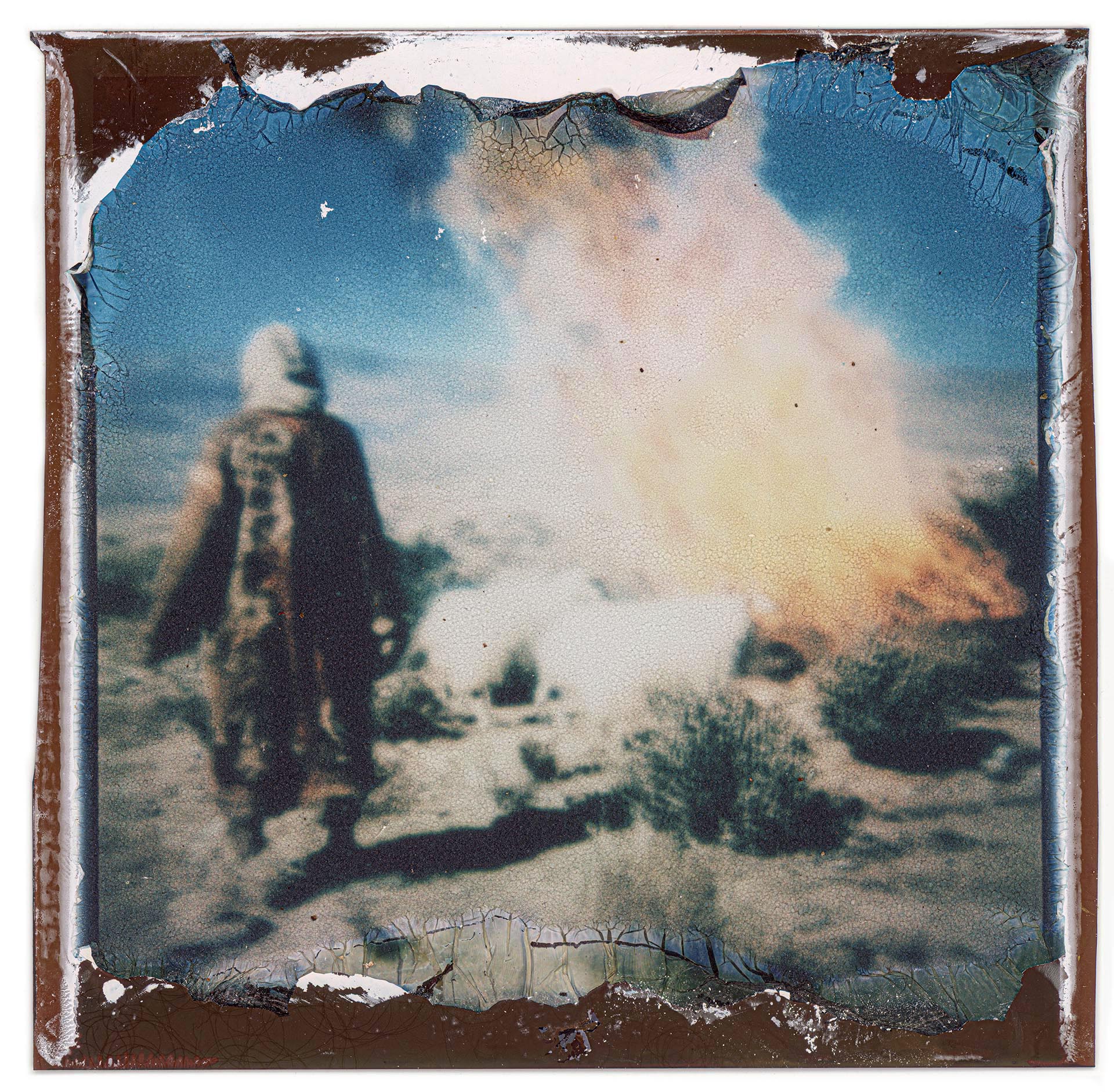
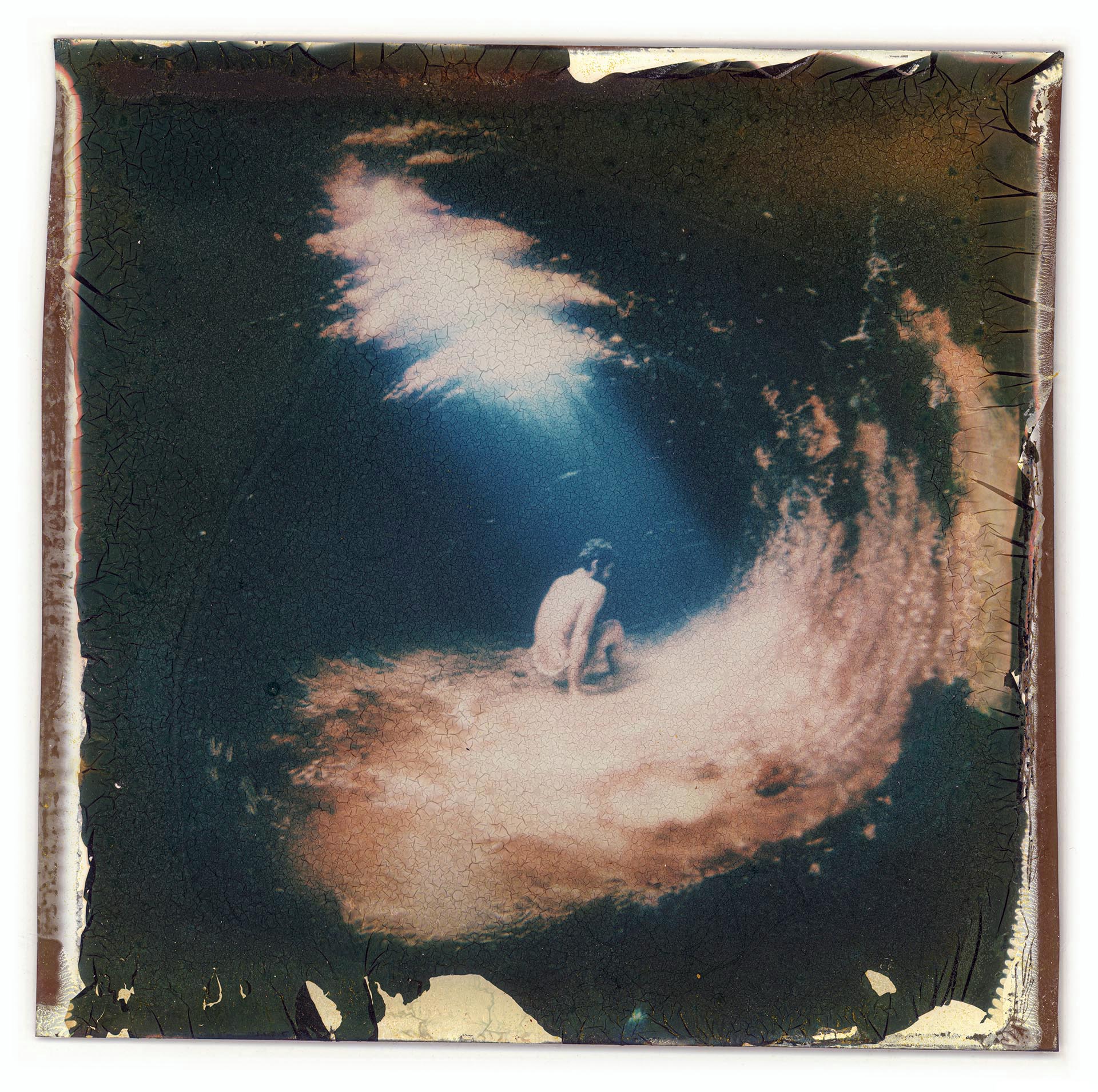
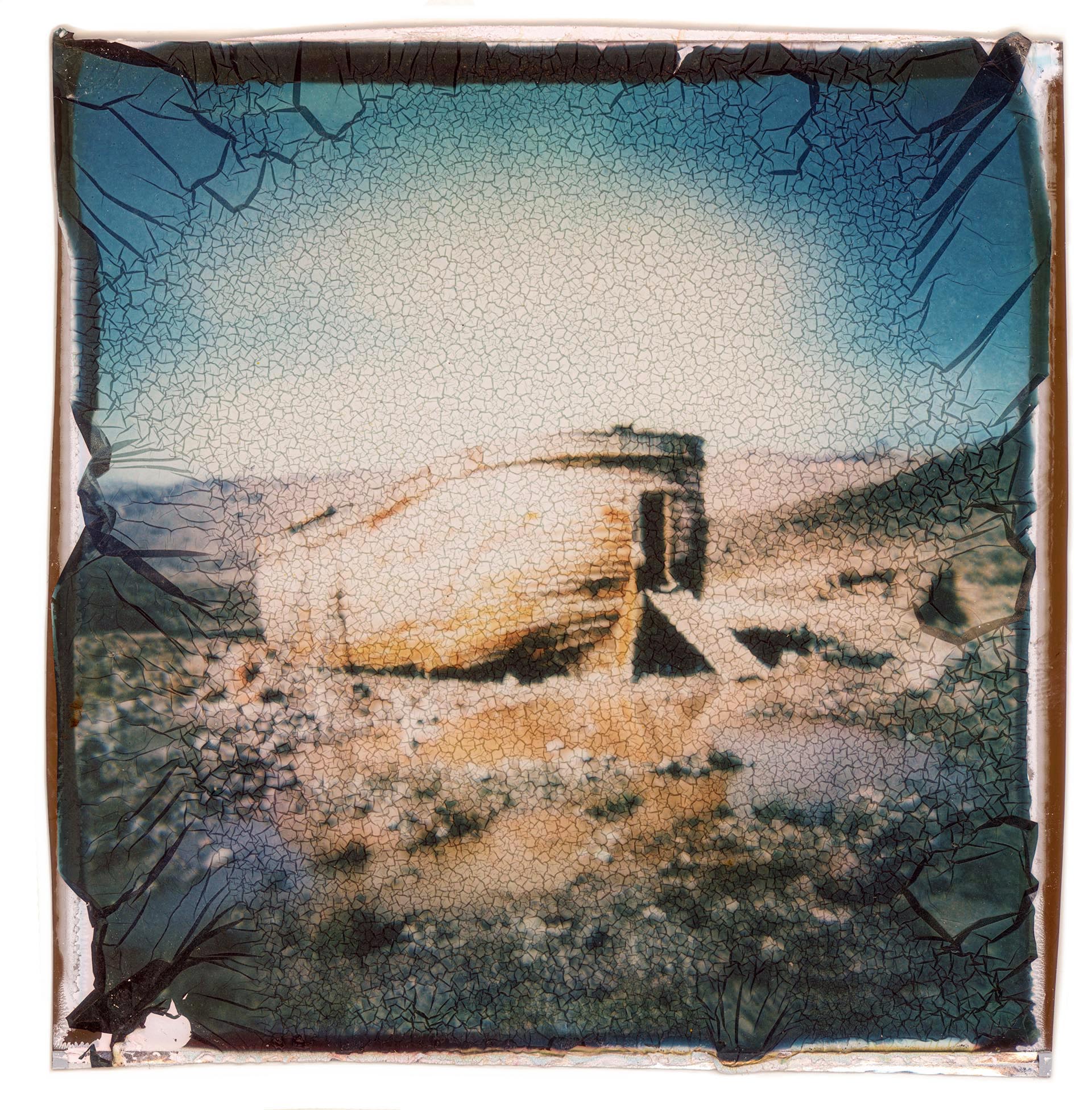
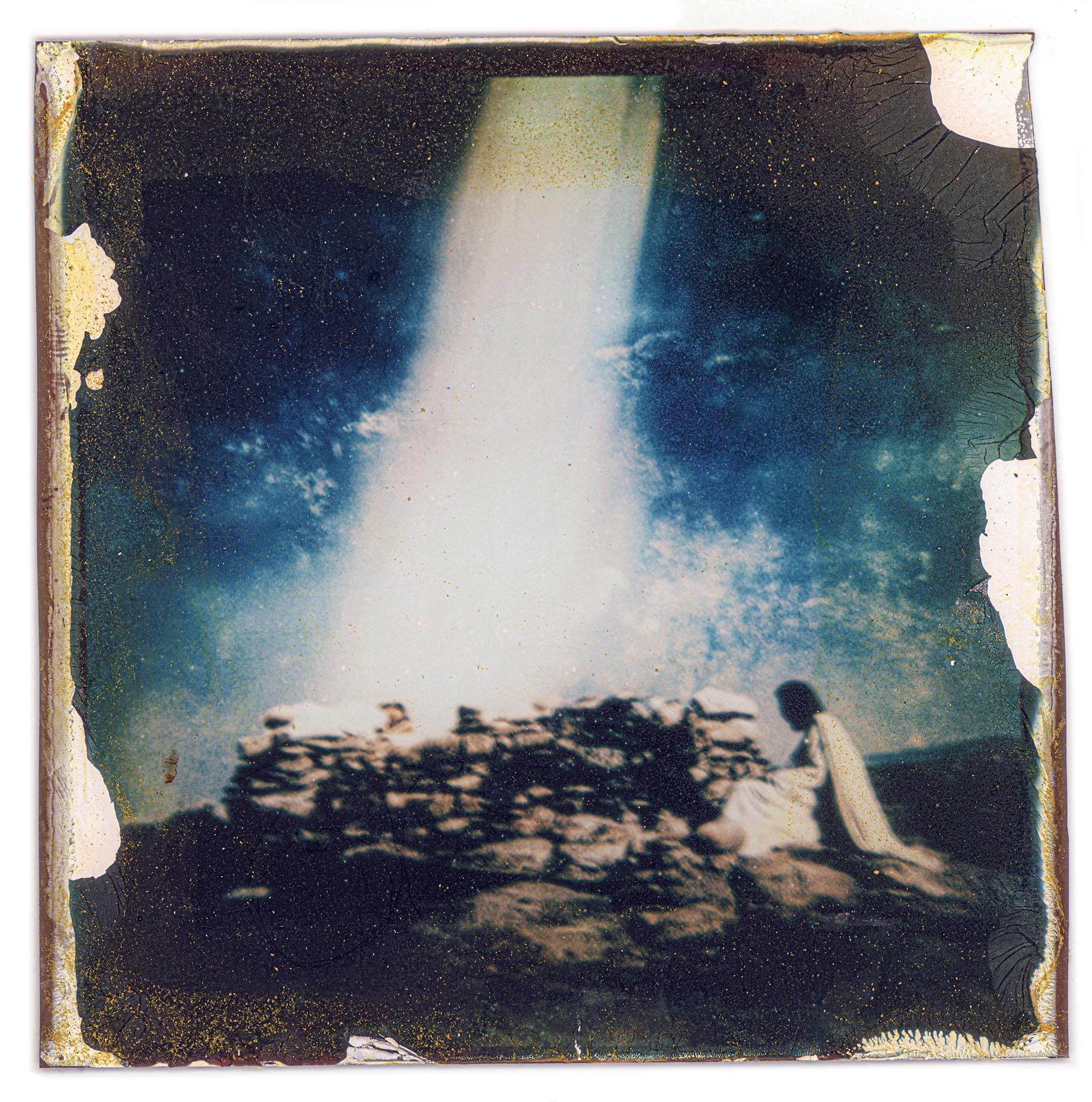
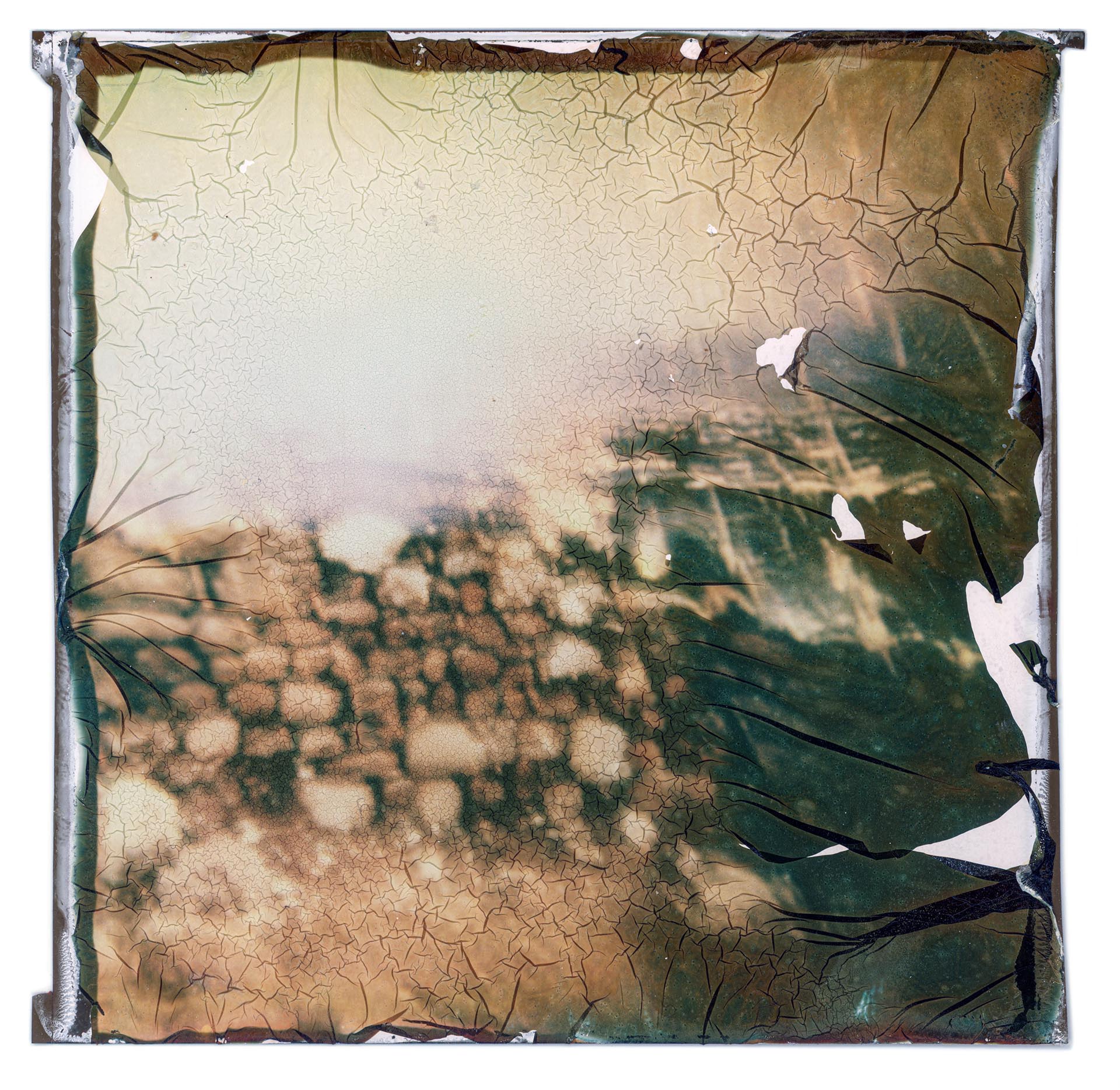
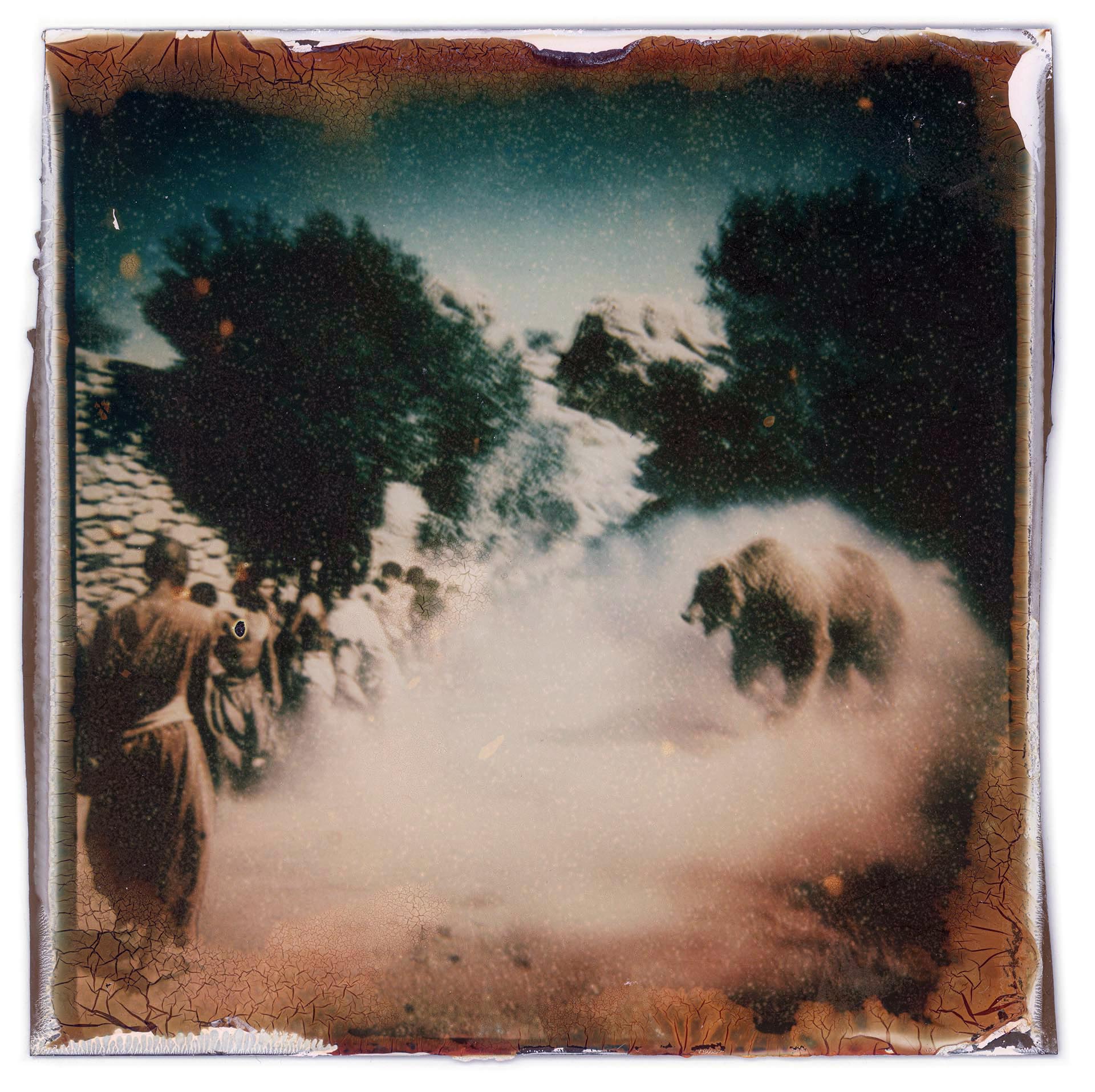
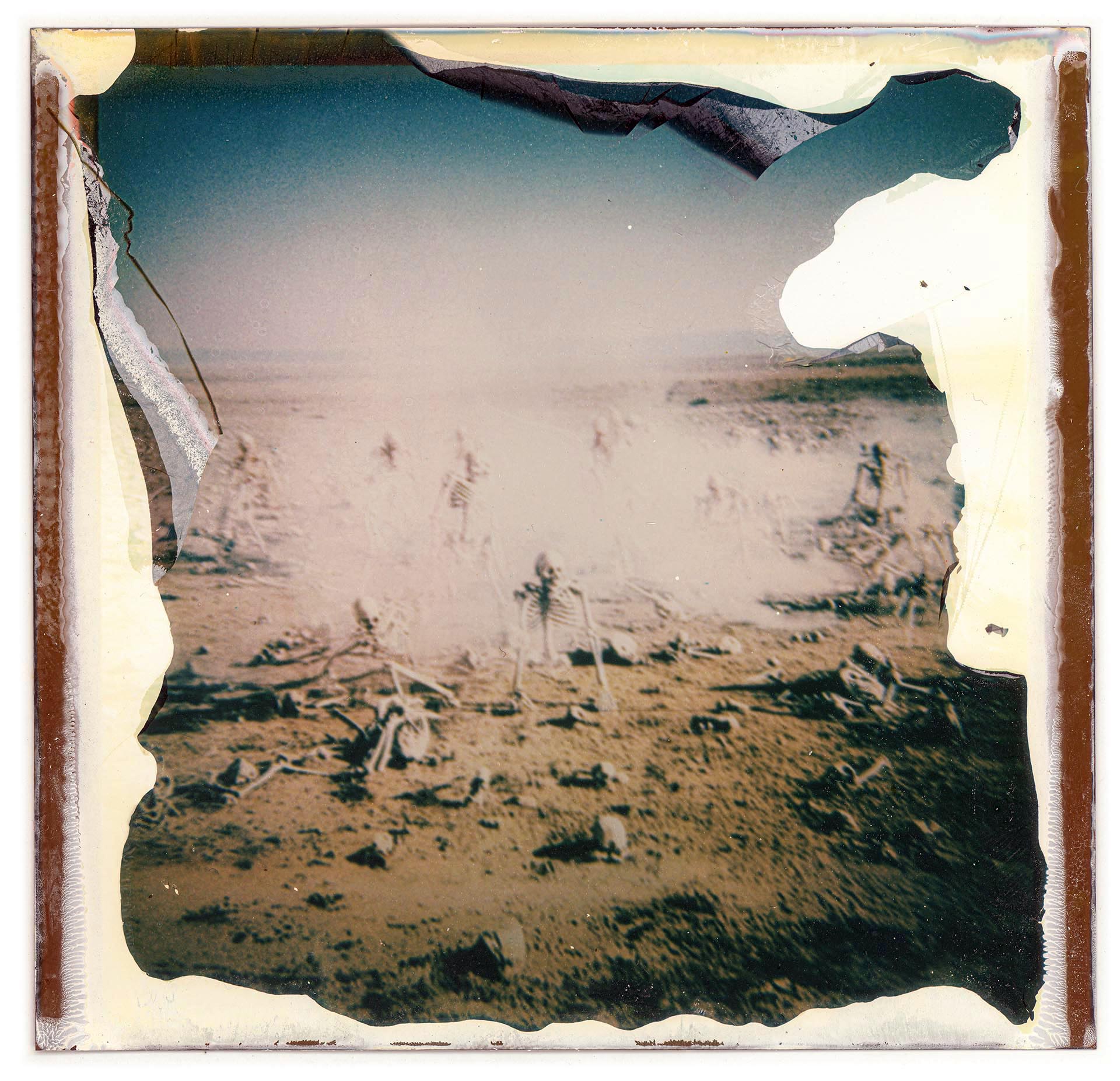
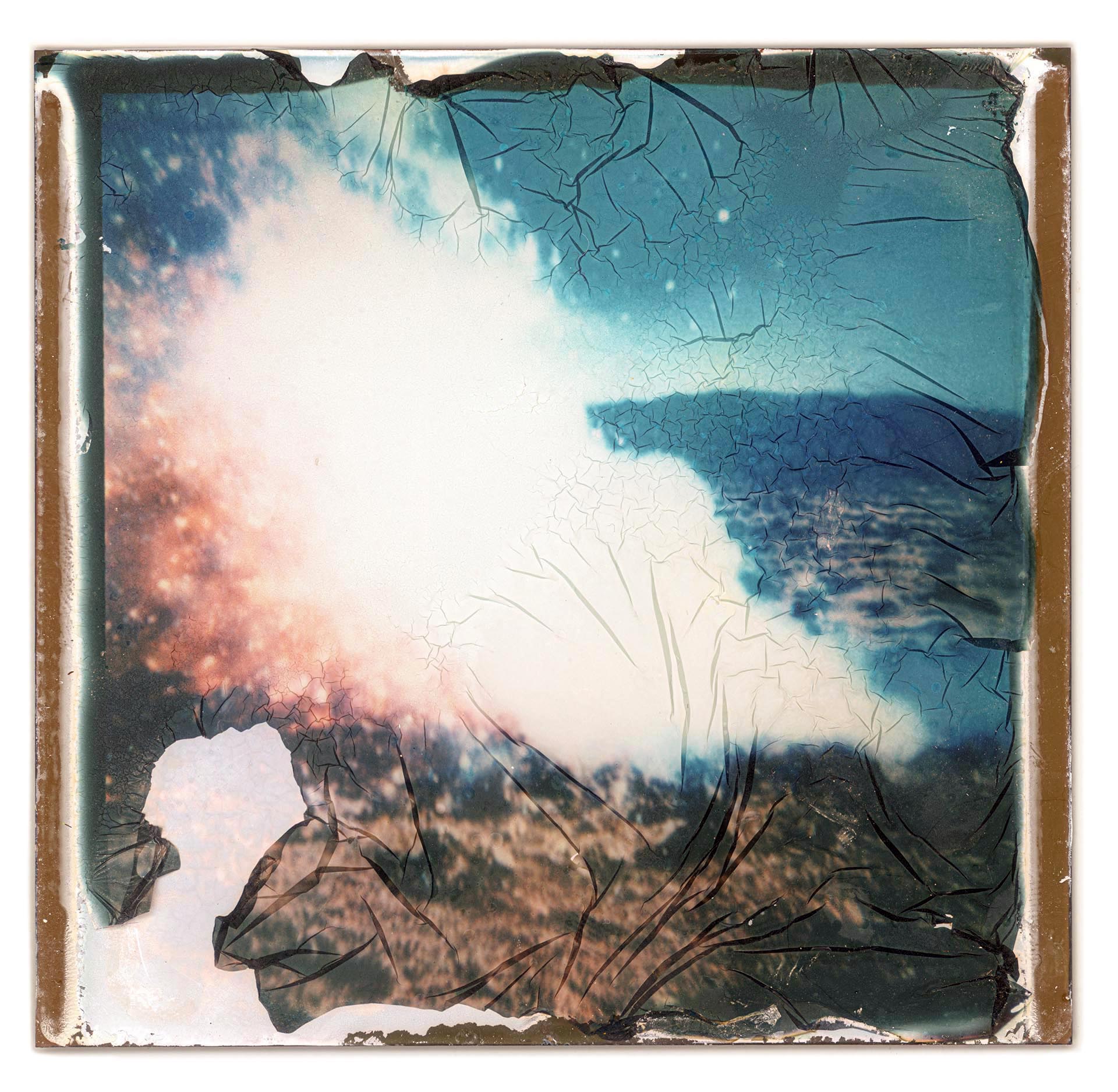
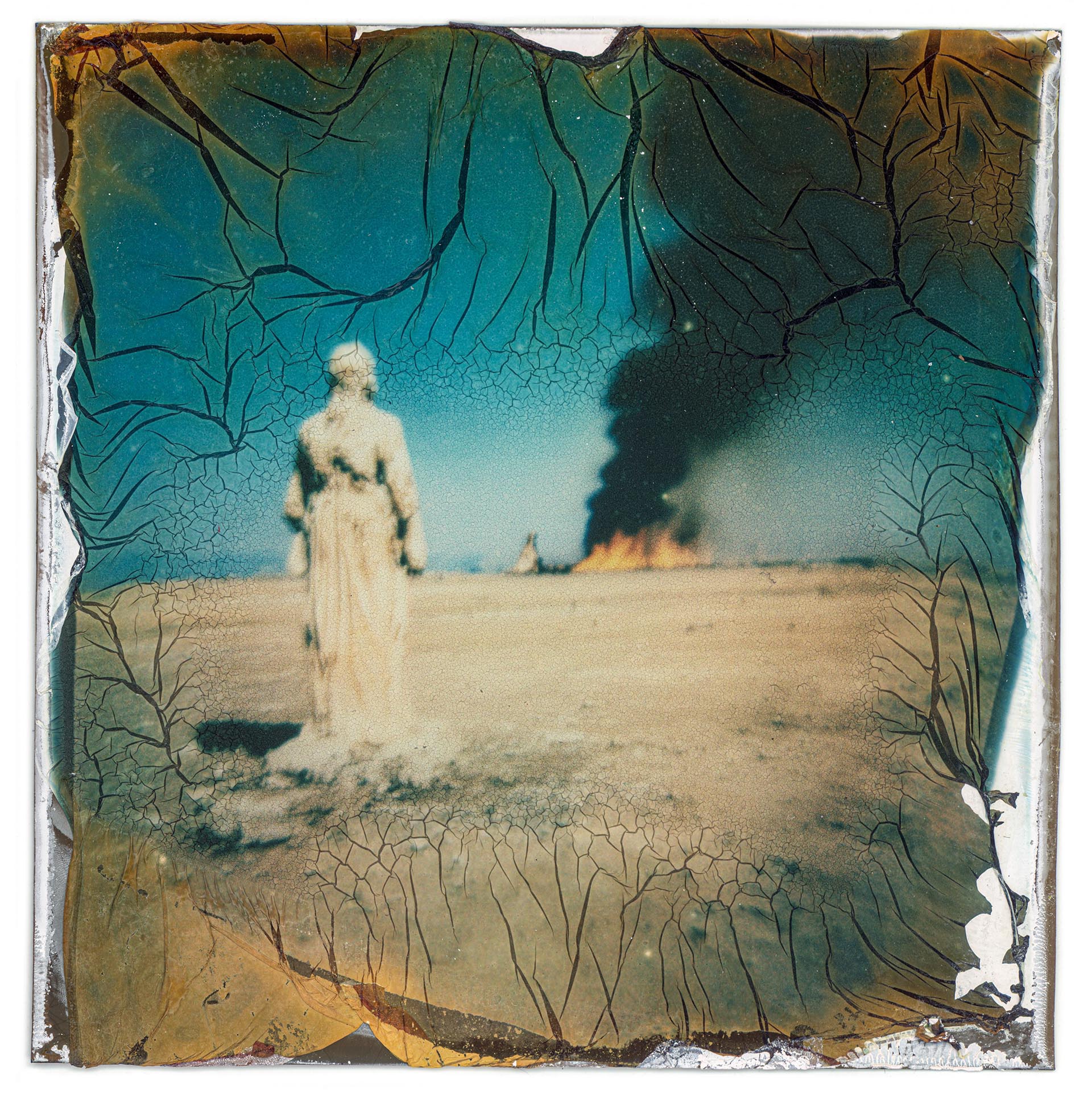
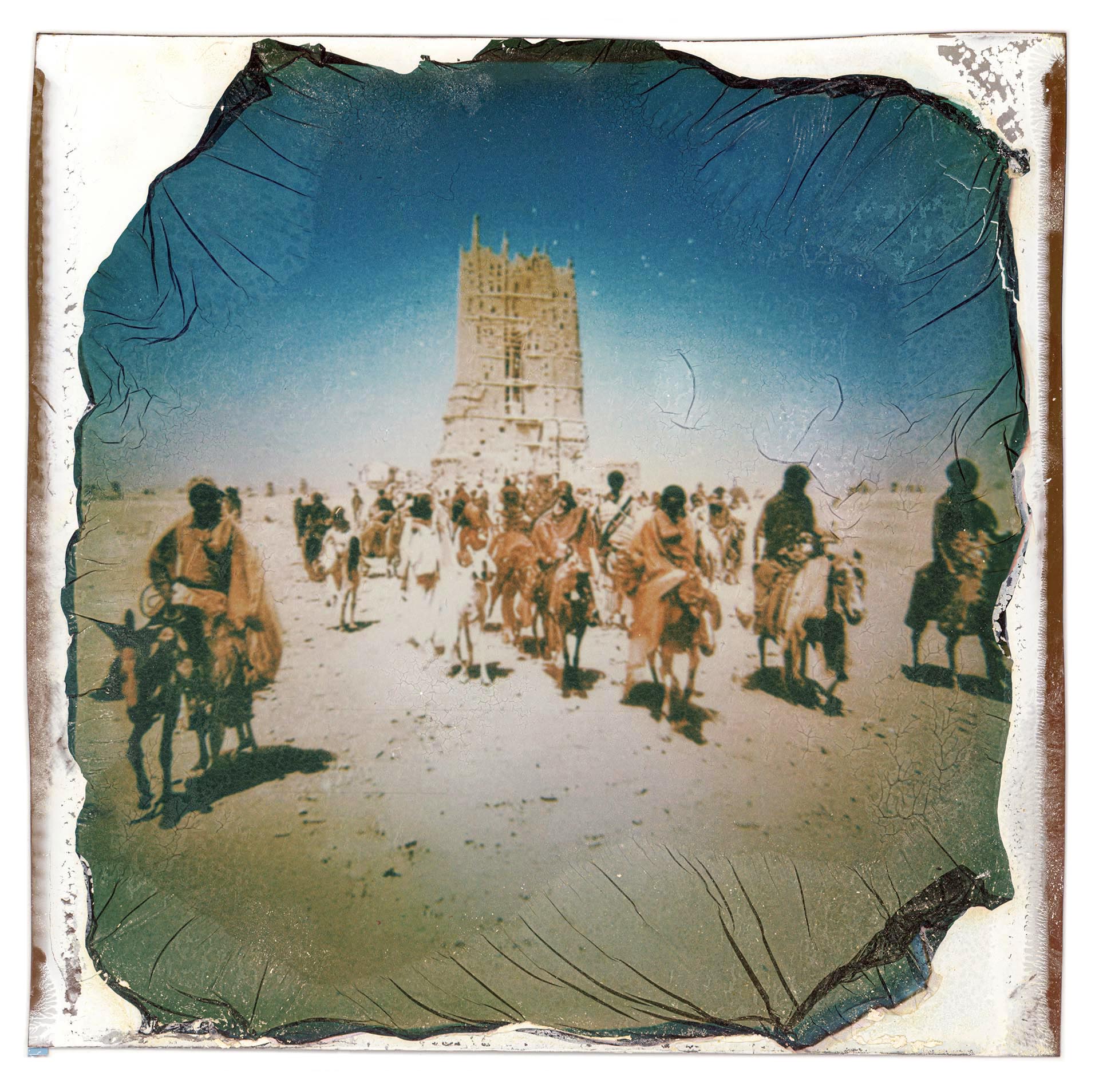
In The Relic, Henner presents a series of Polaroid photographs depicting scenes from the Old and New Testaments. Generated through combinations of biblical texts, medieval painting, archaeological research, and historical reconstruction, these works appear as fragile objects marked by time—as if they were photographs discovered from antiquity. The images depict episodes such as Lot’s wife transformed into a pillar of salt, Jonah inside the great fish, and the Last Supper. Their weathered appearance suggests documentary evidence while representing events that predate photography by millennia. The encounter with these impossible yet credible images invites viewers to reflect on why visual evidence appears more persuasive when it seems ancient, and how easily visual authority can be constructed. As Henner observes, “the relic-object becomes a lens through which to examine our appetite for authenticity and the fragile boundary between faith in what we see, fiction, and photographic documentation.”